
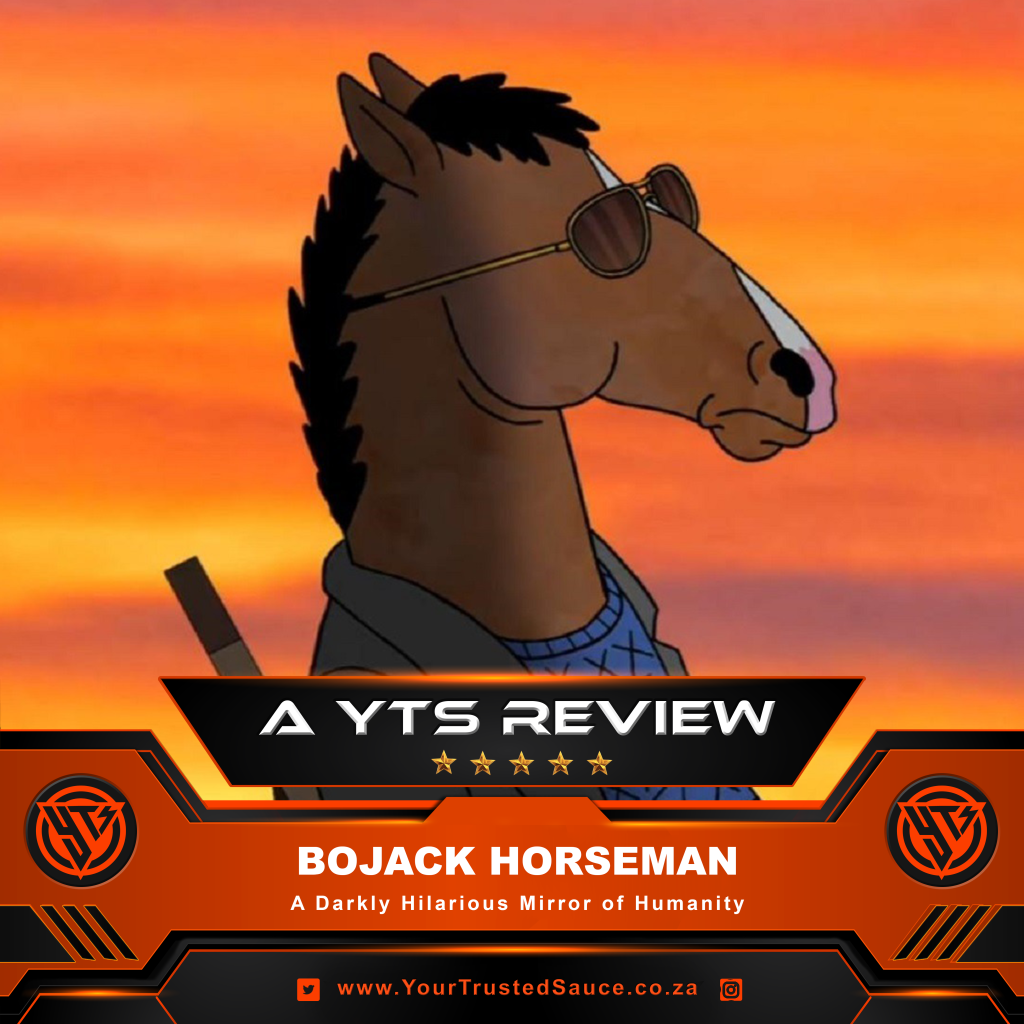
BoJack Horseman is an animated tour de force that subverts the typical sitcom formula with its sharp wit and unflinching exploration of existential dread. Set in a world where anthropomorphic animals coexist with humans, the series follows BoJack Horseman, a washed-up actor grappling with addiction, self-loathing, and the consequences of his past actions.
The show’s animation style—vibrant and often deceptively whimsical—contrasts starkly with its deeply somber themes, creating a unique visual and emotional experience. Its layered storytelling delves into the complexities of mental health, fame, and personal redemption, presenting a narrative that is as raw and poignant as it is darkly comedic.
Voice performances, especially from Will Arnett as BoJack and supporting actors like Amy Sedaris and Alison Brie, breathe life into a cast of deeply flawed, yet relatable characters. The series’ innovative use of satire and its willingness to confront uncomfortable truths make *BoJack Horseman* a profound and unforgettable examination of the human condition, cleverly disguised as a biting animated comedy.
If you ever tried watching just the first and second ever episodes of the masterpiece that is Bojack Horseman, you may be left wondering what is so special about it. The show had a low rated debut when it started up, and critics were actually harsh and forward with it at the beginning.
Fast forward 5 seasons later, and viewers are arguing that the animation show maybe just be better than Rick and Morty. Any fan of Rick and Morty probably thinks, with good reason, that it is the best-animated series on netflix and all platforms alike. Such fans might even turn off Bojack Horseman by the first few episodes and confidently make a conclusion that it is not. If you are one of those folks, you better just sit back and relax because from the fourth episode onwards, you are likely to develop the belief that comic and animated sitcoms will never supersede the creativity, thoughtfulness and sensitivity exuded by Bojack Horseman.
